Maria Hurtig
- Copies the revealed e-mail address to your clipboard.Opens your e-mail application with this address as the recipient.E-mail address hidden

Artist collaboration
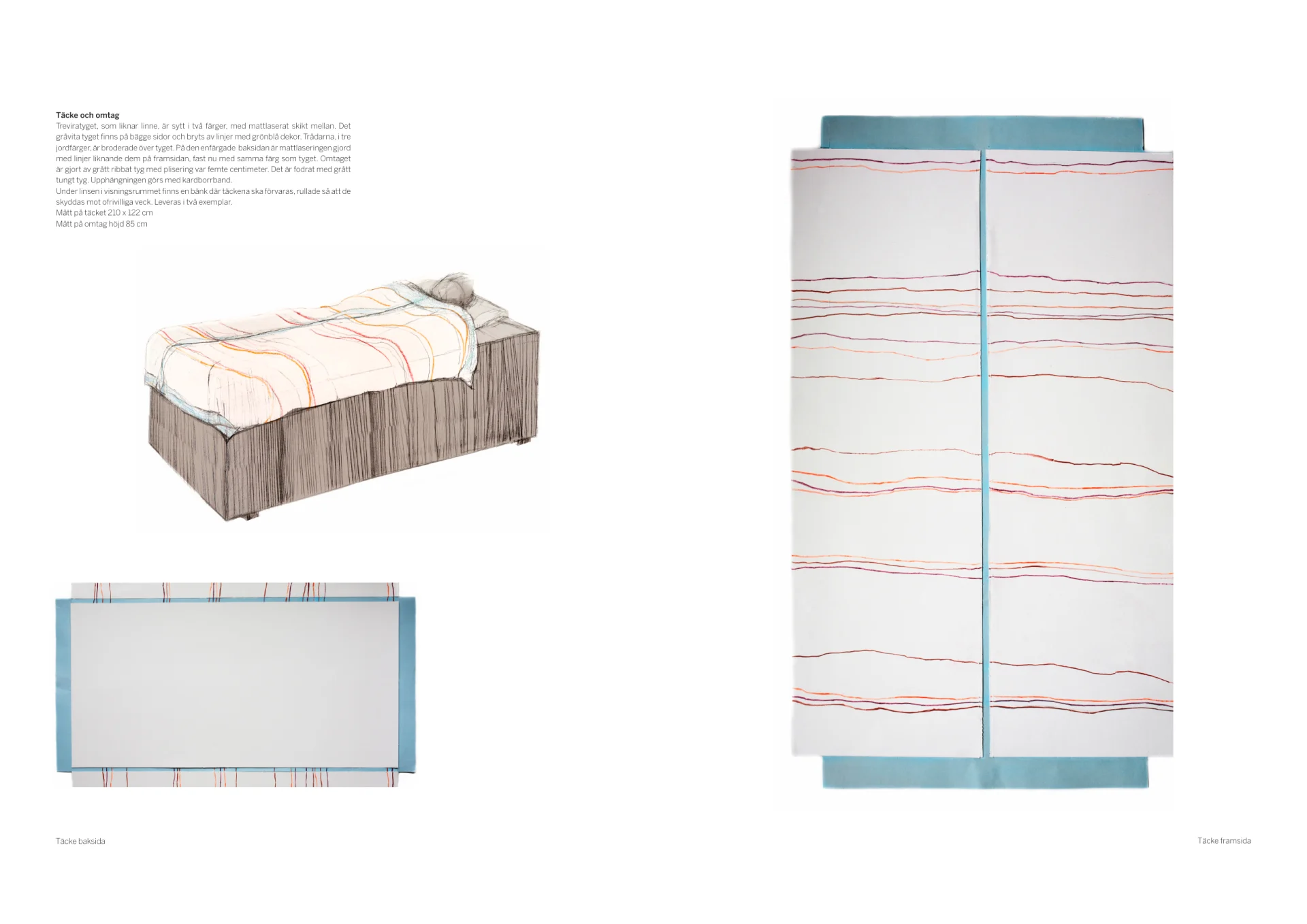
© Ewa Stackelberg
Farewell Room
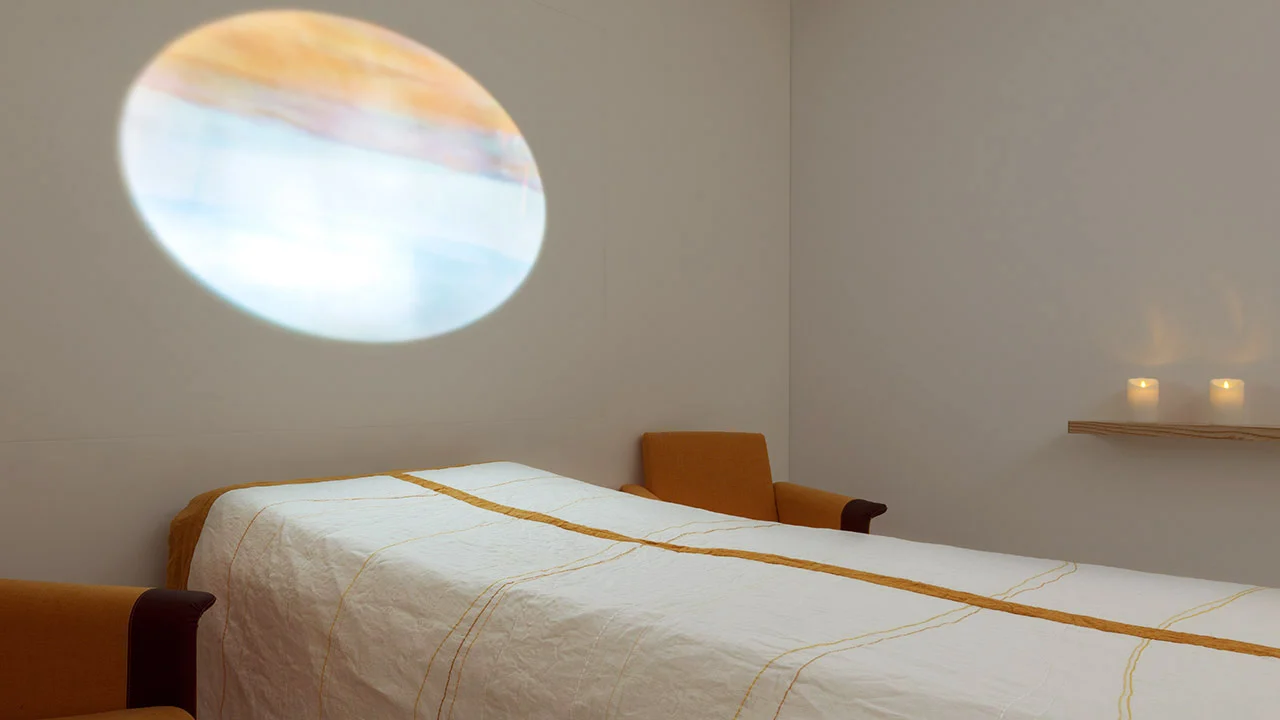
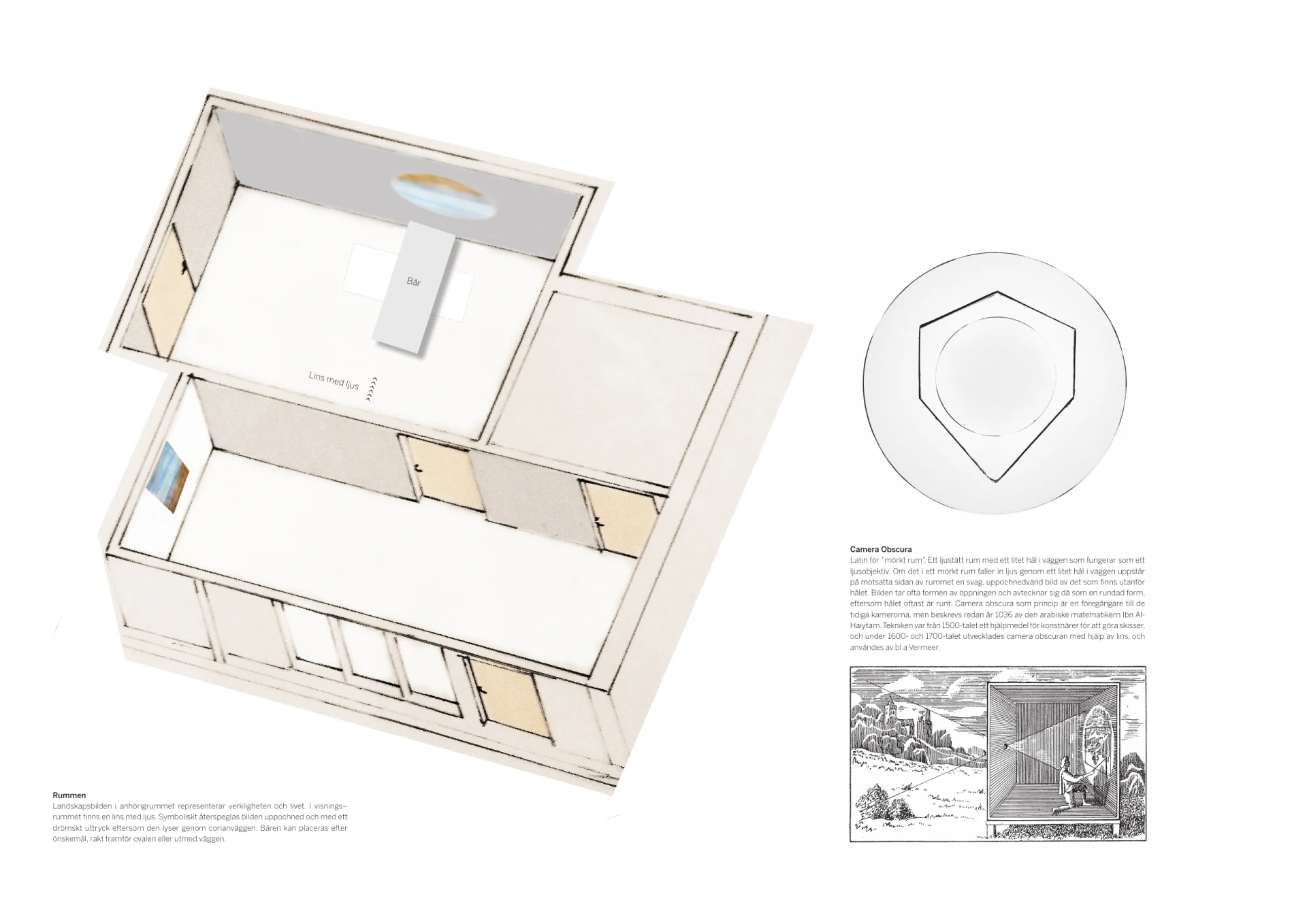
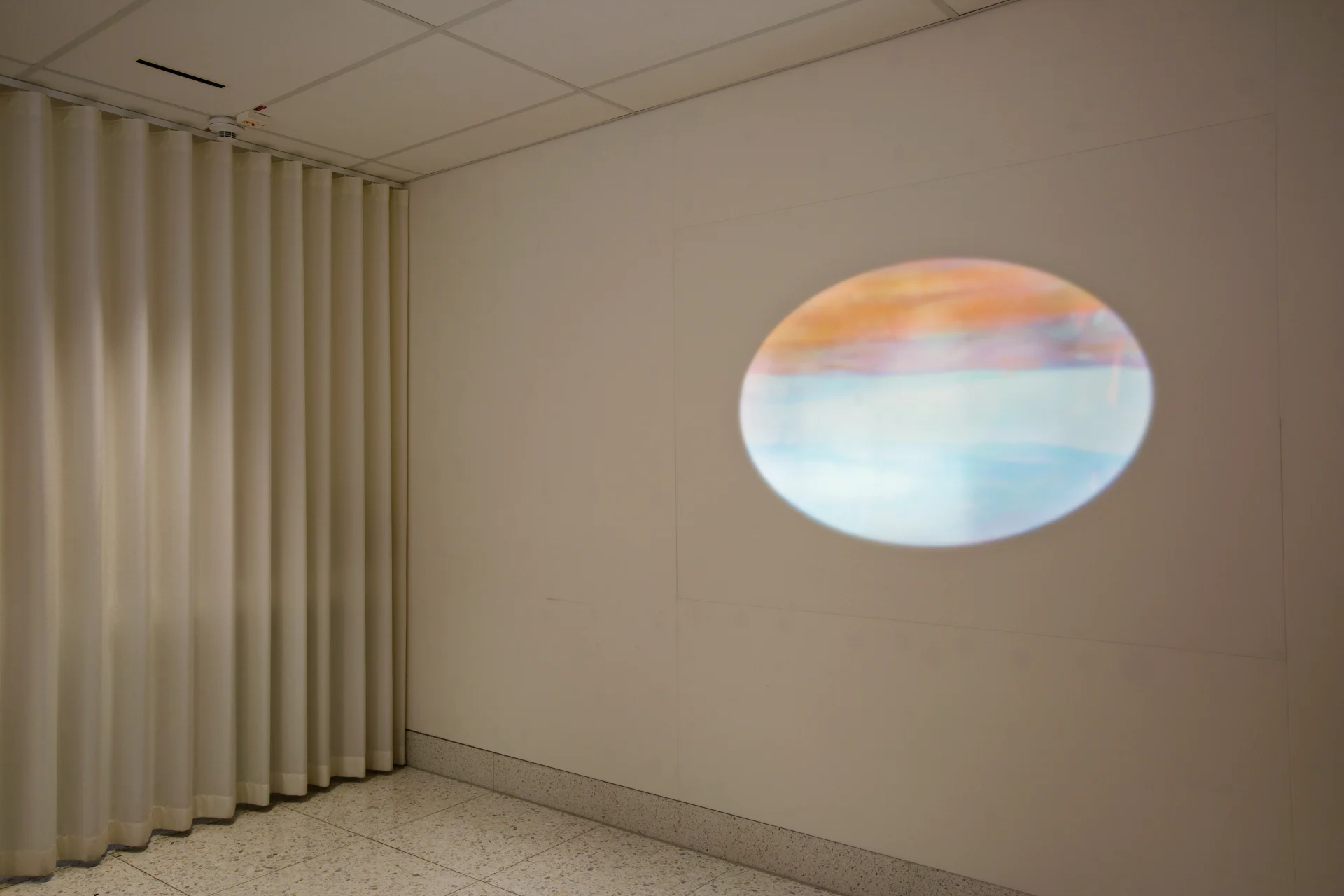
If light enters a completely dark room through a small opening in the wall, a faint, inverted image appears on the opposite wall.
The camera obscura was a precursor to the modern camera and was described as early as 1036 by the Arab mathematician Ibn al-Haytham. In the sixteenth century, artists used the technique as an aid for sketching. During the seventeenth and eighteenth centuries, the camera obscura was further developed through the introduction of lenses.
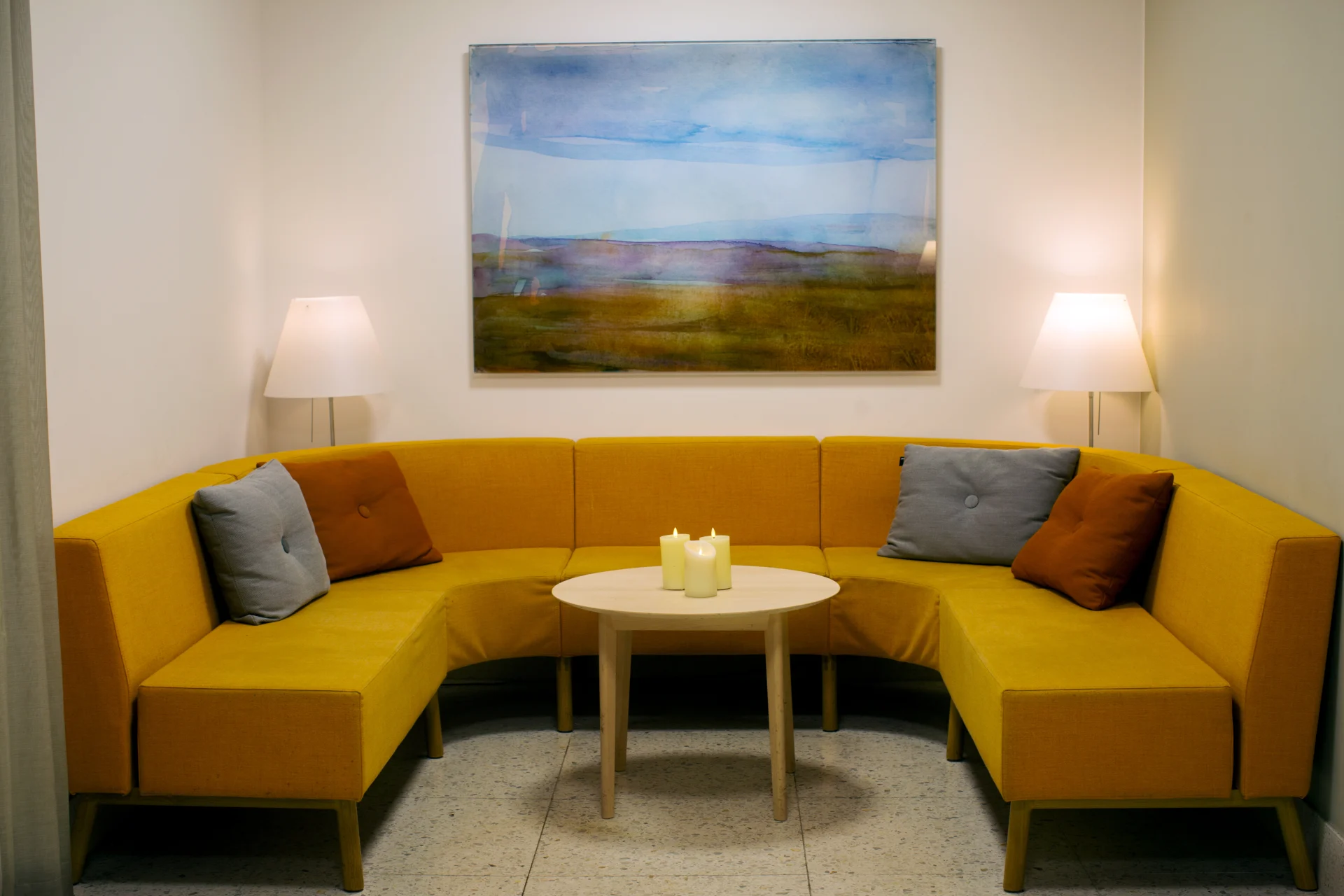
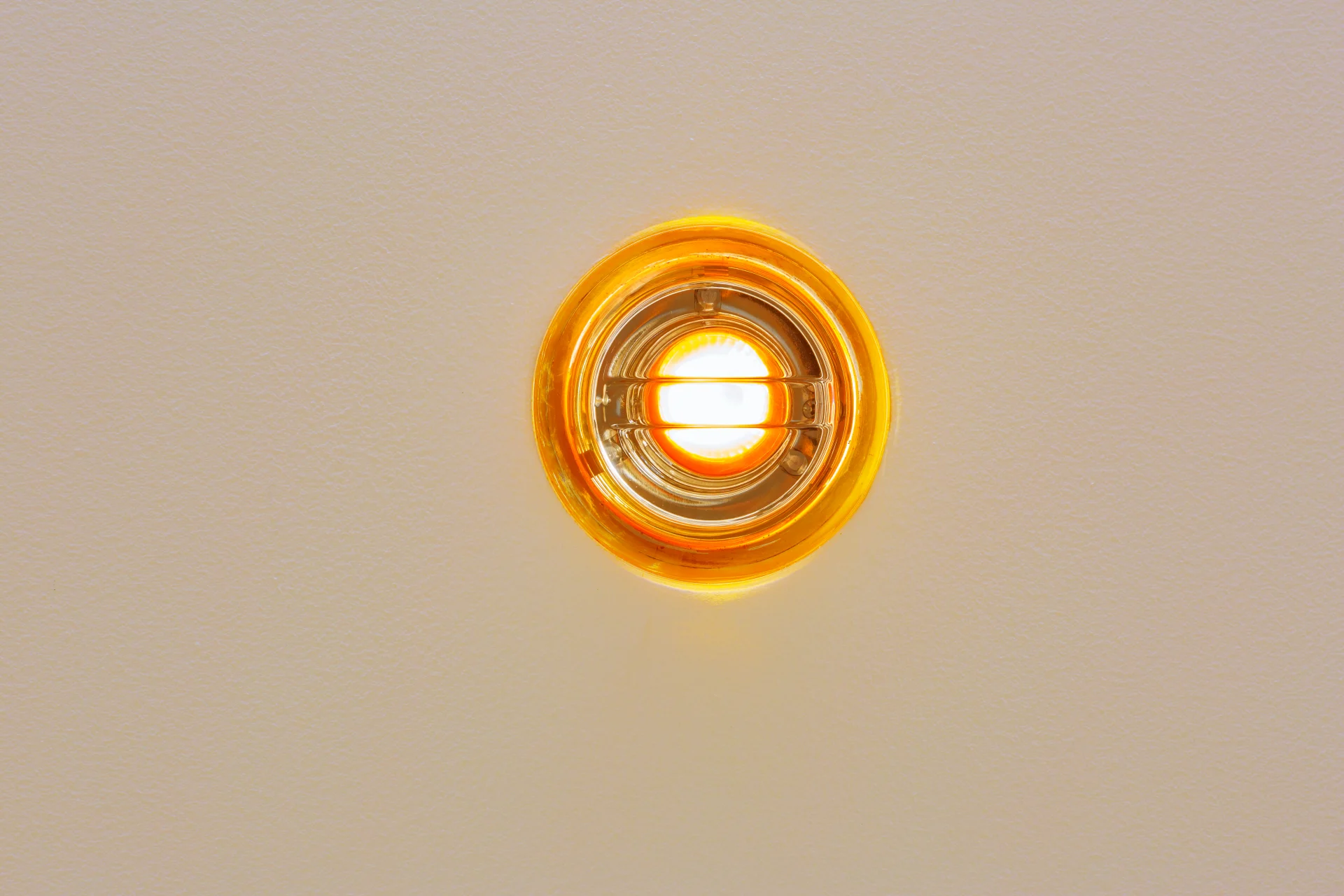
In the family room at New Karolinska Solna University Hospital, a landscape painting hangs on the wall. It represents reality and life. The adjoining Farewell Room has been symbolically transformed into a camera obscura. The warm light shining on the wall represents the lens through which life makes its way. The landscape painting is reflected onto the opposite wall of the Farewell Room, as in a camera obscura: the sky below and the earth above. The deceased is the one who sees the world the right way up, from the perspective of heaven.
The trees, the lakes, and the earth remain outside the room. Life goes on, despite everything.
Form
Materials
Corian, LED panel, and image with optical adhesive (farewell room). Silicone-mounted image on ten-millimetre glass (family room).
Format
Permanent
Year